Let me tell you about the worst ₹3,400 I ever spent.
I had just moved into a 2BHK in Pune, with painted walls, clean floors, and decent lighting, and it looked absolutely lifeless. So I did what everyone does. I opened Instagram, got completely overwhelmed by aesthetic apartment videos, and panic-bought a set of three ceramic vases, a macramé wall hanging the size of a small person, and a “boho” throw that felt scratchy the moment I touched it. None of it looked right. The vases were too small for the shelf. The macramé blocked the tubelight. The throw ended up on a chair in the corner, where it still sits, doing nothing.
That experience taught me more about home decor items India buyers actually need than any interior design blog I have read since. Not what looks good in a flat-lay photograph. What works in a real Indian home, with real Indian walls, real ceiling heights, real afternoon light coming in from windows that face the neighbour’s building.
I have spent the last two years slowly, sometimes painfully, figuring this out. I redecorated that Pune flat, my mother’s living room in Nashik, and a friend’s studio apartment in Bengaluru. Three different spaces. Three completely different budgets. One running theme across all of them the most impactful home decor items India has to offer are almost never the ones that get the most Instagram attention.
This is the guide I wrote for myself first. You are welcome to use it.
Why Most Home Decor Advice for Indian Homes is Wrong
Before getting into specific products, I want to say something that most home decor blogs refuse to say.
A lot of the home decor items India shoppers are buying right now, the ones all over Instagram and Pinterest, are designed for European apartments. High ceilings, diffused grey light, white walls, minimal furniture. Indian homes are different. We have 9-foot ceilings, warm yellowed tubelight, walls painted in cream or off-white or sometimes that particular shade of government green that no one chose intentionally. We have floor-level seating mixed with sofas. We have puja corners sharing space with WiFi routers.
The answer is not to pretend your Indian home is a Scandinavian loft. The answer is to find home decor items India that are honest about what they are, pieces designed to work within the reality of Indian spaces, Indian light, and Indian living habits.
The global home decor market is expected to reach Rs. 51,53,372 crore in 2026, and India ranks as the second-largest exporter of home decor in the world by volume. Which means the craft is here. The materials are here. The talent is absolutely here. What is missing is clear-headed buying advice that skips the mood board fantasy and tells you what actually does the job.
That is what this guide does.
1. Brass Accent Pieces: The One Category Worth Spending On
I was late to brass. I thought it was going to look like my grandmother’s puja shelf. I was wrong.
In 2026, brass is the single most transformative category of home decor items India buyers can invest in, and the reason is surprisingly practical. Warm gold tones photograph well, age gracefully, do not require dusting every three days the way white ceramic does, and pair with literally every Indian wall colour, including that government green I mentioned earlier.
I bought a small brass peacock trivet for my dining table in Pune. Cost me ₹1,200 from a vendor on Amazon. I have received more compliments on that single object than on my sofa, my curtains, or the framed print I agonised over for two weeks. The secret is placement brass on a wooden surface, near a warm light source, creates an effect that is genuinely warm and premium-looking at a fraction of what the rest of the room costs.
What to buy: Brass candle holders (₹350–₹800 for a pair), brass fruit bowls (₹600–₹1,800), small brass vases (₹400–₹1,200), wall hooks in antique copper (₹200–₹600 for a set). Do not overthink the styling place them on wood, add one plant nearby, and let the warmth do the work.
What NOT to buy in this category: Large brass sculptures above ₹5,000 from online platforms where you cannot verify the metal quality. Most of them are brass-painted zinc that will oxidise and look greenish within six months in humid Indian conditions.
2. Indoor Plants With Ceramic Planters Not What You Think
Every home decor items India guide tells you to buy plants. Almost none of them tell you the part that actually matters.
The plant is not the decor. The planter is.
I learned this the hard way after spending ₹800 on a beautiful Areca palm that I then left in its plastic nursery pot for four months because I kept saying I would find a nice planter “soon.” The plant looked terrible. Not because of the plant the palm itself was lush and healthy, but because a gorgeous green Areca in a black plastic nursery container with a white price sticker looks like a forgotten project, not home decor.
The moment I put it in a handmade terracotta planter with a jute rope detail from a local pottery market (paid ₹380 for it), the whole corner of the room changed. Same plant. Different story entirely.
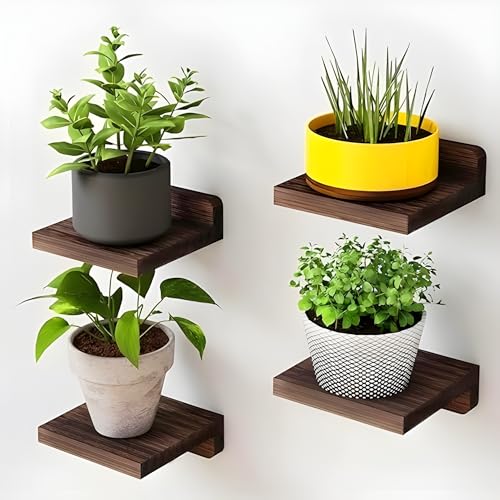
For Indian homes specifically, the best home decor items India plant combinations for 2026 are: Areca palm in terracotta (living room corners), snake plant in matte white ceramic (bedroom windowsill thrives in low light and does not need daily watering), pothos in a hanging macramé planter (balcony or kitchen window), and peace lily in a dark glazed ceramic pot (study or home office, good for air quality in Indian apartments with limited ventilation).
Budget reality: ₹200–₹600 for the plant from a local nursery or Amazon. ₹200–₹800 for a good planter. Total investment under ₹1,000 per corner. No single home decor item India buyers spend this little on delivers more visual impact per rupee.
3. Wall Art The Category With the Most Mistakes Per Square Foot
This one hurt. I made so many wrong choices in this category before I understood what actually works as home decor items India buyers can reliably trust.
The biggest mistake: canvas prints from online platforms in the ₹500–₹800 range. I bought three of them for my Pune bedroom. The images were slightly blurry when printed at that size, the frames warped within a season, and the colours looked nothing like the product photos. I replaced all three within eight months.
What actually works and what I now recommend to everyone who asks me about home decor items India for walls specifically is framed art prints on paper, not canvas. Sharper detail, more vibrant colour, and when you use a decent frame, the finished product looks genuinely gallery-quality. A set of three A3-size art prints in black wooden frames from an Indian paper goods brand costs ₹800–₹1,800 total and looks dramatically better than canvas alternatives at three times the price.
The second thing worth knowing: gallery walls work in Indian homes, but only if you commit to a colour in the frames. Mixed frames, gold, black, white, and wood look chaotic on Indian wall colours. Pick one frame finish and stay with it. Three to five prints in matching black frames, varied in subject (one botanical, one abstract, one typography or architecture), spaced evenly, this is a bedroom or living room transformation for under ₹2,500.
One more thing. Woven wall hangings, the round ones, the tassel ones, work only if the room has enough empty space around them. In a typically furnished Indian apartment where the sofa backs against the wall, a large woven hanging behind it reads as cluttered, not artistic. Hang them on bare accent walls or above a low console table with breathing room on all sides.
4. Scented Candles and Candle Holders: The Decor Category That Also Changes How Your Home Feels
Here is something most lists of home decor items India buyers need do not mention: decor is not only visual.
The way your home smells is part of how it feels. Walk into a room that smells like fresh jasmine or warm sandalwood and your brain reads it as a well-kept, intentional space before your eyes have had time to process anything. This is not sentiment it is basic sensory psychology.
In India, scented candles have moved from a niche gifting category to a genuine everyday home decor segment. In 2026, D2C brands selling premium soy wax candles with fragrances like vetiver, sandalwood, jasmine, and wild turmeric are seeing 300% demand spikes during Diwali and wedding season, but these are not Diwali-only products. They work all year.
My honest recommendation for this category of home decor items India: spend ₹300–₹700 on a quality soy wax candle from a small Indian brand rather than ₹99 on a paraffin tealight multipack. The burn time difference is dramatic. Quality soy candles burn for 40–60 hours versus 3–4 hours for cheap tealights, and soy wax does not produce the sooty residue that discolours walls and ceilings over time.
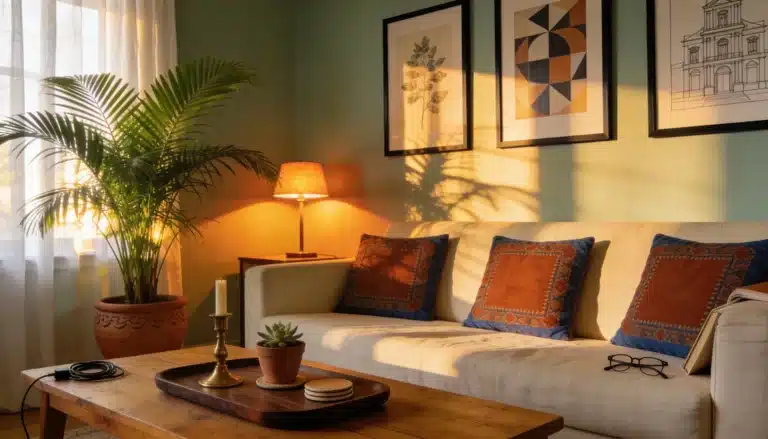
Pair any candle with a brass or ceramic candle holder and place it on a wooden tray. I have a small dark teak tray on my coffee table with one brass candle holder, one small ceramic pot with a succulent, and a stack of two coasters. That arrangement took five minutes and ₹800 total to assemble. It is the first thing people comment on when they sit down in my living room.
5. Mirrors The Oldest Trick That Still Works Perfectly
There is a reason interior designers have been recommending mirrors for a hundred years. They are the only home decor items India buyers can purchase that literally make a room bigger without touching a single wall.
In small Indian apartments, a standard 2BHK in Mumbai or Bengaluru, where the living room might be 160 sq ft, a large mirror on the right wall doubles the perceived space and amplifies natural light in a way that no other affordable home decor investment achieves. This is not an opinion. It is geometry.
The 2026 trend in mirror styles for Indian homes is arch-shaped frames, rattan-wrapped frames, and antique gold-bordered panels. I prefer the arch shape it creates a soft focal point without competing with other elements in the room, and the curved silhouette works well against the straight lines of Indian apartment architecture.
What I want to warn against in this category: full-length mirrors leaned casually against the wall look styled in Instagram videos because someone spent forty-five minutes arranging objects around them. In daily life in an Indian home, a leaning mirror collects dust behind it, gets knocked sideways, and becomes a hazard if anyone brushes past it. Mount it properly or buy one with feet designed for the purpose.
Honest budget for a quality mirror as a home decor item India: ₹1,200–₹3,500 for a good arch or rattan frame mirror. Avoid anything under ₹800 the glass quality in ultra-cheap mirrors produces a slightly distorted reflection that is more unsettling than decorative.
6. Cushion Covers The Fastest Way to Change a Room for Under ₹600
I almost did not include this section because it feels obvious. But the reason I am including it is that most people buy the wrong cushion covers and then wonder why the room still does not look right.
Cushion covers are the most frequently replaced, lowest-commitment home decor items India has, and they genuinely work if you buy them right. The key is texture over pattern.
Every Indian living room has a sofa. Every sofa has cushions that came with it, usually in a solid fabric that matches the sofa’s colour range. The instinct is to add patterned cushion covers to create visual interest. The result is usually chaos, because Indian sofa colours are already warm and complex and adding competing patterns to them creates visual noise.
What works better: textured plain covers. Block-printed linen in off-white or sage green. Khadi cotton in rust or indigo. Kantha-stitched covers with a single colour tone. These add visual depth without competing with the sofa’s existing colour. The room suddenly looks considered, not decorated-over.
Some of the best home decor items India buyers can find in this category come from Jaipur block-print artisans selling through Amazon and small Instagram stores. A set of five cushion covers in complementary textures for ₹400–₹800 transforms a living room more thoroughly than any single decorative object I have bought.
7. Table Lamps and String Lights Because Tubelight is Killing Your Home Decor
This is the section most people skip and then wonder why their space still does not feel right, even after buying everything else.
Tubelight is the enemy of good home decor in India. It is not the decor that is the problem in most Indian homes, it is the single overhead tubelight that flattens everything, washes out warm colours, and makes even the most beautiful room look like a government office.
Warm accent lighting is the highest-impact home decor upgrade available for under ₹2,000, and it is entirely missing from most conversations about home decor items India because it is not as photogenic as a brass vase or a gallery wall.
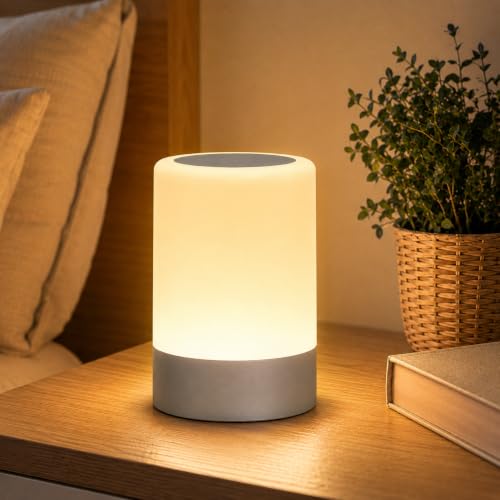
A ₹899 table lamp with a warm-toned bulb (2700K colour temperature, the number matters, do not just buy any LED) in the corner of a living room creates an atmosphere that no decorative object alone can produce. The same room that looks flat under tubelight looks warm, dimensional, and inviting under corner lamp light. My mother’s Nashik living room had ₹25,000 of furniture and zero character until I put a ₹750 table lamp on the side table. That was the change.
For bedrooms, string lights along a wall or behind a headboard are the most affordable warm-lighting home decor item India buyers can find. Look for warm white (not cool white, not multicoloured) fairy lights in copper wire. ₹299–₹599 for a 5-metre set. The effect is not childish if you do it right it reads as intentional and cosy when the colours are warm.
8. Bookends, Trays, and Small Organiser Objects The Underrated Category
Nobody talks about this. I am talking about it because it made a bigger difference in my spaces than four out of seven categories above it.
Surfaces in Indian homes accumulate things. Remote controls, charging cables, small medicines, keys, and the pen that always needs to be found urgently. This is not a disorder problem; this is a reality-of-living problem. The difference between a surface that looks like home decor and a surface that looks like controlled chaos is organiser objects that make the accumulation intentional.
A wooden tray on the coffee table turns five scattered objects into one curated arrangement. A pair of brass bookends on a shelf turns a row of books and random objects into something that looks placed with intention. A small ceramic catch-all bowl near the entrance door turns the key-and-wallet pile into a designed element.
These small objects are some of the best-value home decor items India has to offer because they do two jobs simultaneously: they contain the everyday mess that is inevitable in a lived-in Indian home, and they look decorative at the same time. A ₹400 mango wood tray, two ₹350 brass bookends, and a ₹250 ceramic bowl changed three surfaces in my apartment and cost less than one large decorative object that would have done only a visual job.
The Room-by-Room Budget I Would Use Today
Here is how I would spend ₹5,000 on home decor items India to transform a standard Indian apartment room. Not a mood board. A real shopping list.
Living Room ₹5,000
- Brass candle holder pair: ₹550
- Set of 5 block-print cushion covers: ₹700
- Framed art prints (3) in black frames: ₹1,400
- Table lamp with warm bulb: ₹950
- Areca palm with terracotta planter: ₹700
- Wooden tray + ceramic bowl for coffee table: ₹600
- Total: ₹4,900
Bedroom ₹3,500
- Arch mirror (medium): ₹1,800
- Copper string lights (5m): ₹450
- 2 cushion covers in textured linen: ₹500
- Scented candle on a small brass holder: ₹650
- Total: ₹3,400
These numbers are real. I have bought everything on both lists within these budgets. The result in each case was a room that felt completely different from the one that existed before not because of expensive furniture or structural changes, but because of well-chosen home decor items India placed with a bit of spatial awareness.
What I Would Not Buy Again Honest List
This section exists because most home decor items India guides are essentially extended product listings. Nobody tells you what not to buy.
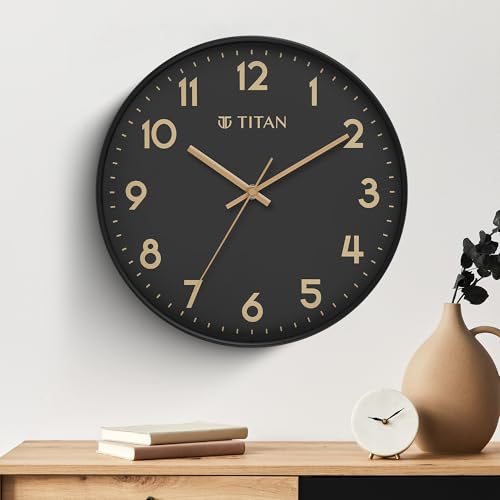
Oversized wall clocks look stunning in the product photo, dominates an Indian room wall in the wrong way because our walls are narrower than European walls. Medium-sized clocks (25–30cm diameter) work. Giant 60cm clocks look like a railway station.
Artificial flowers in vases, I have tried three different brands. None of them looks natural once you have seen them in person. The light catches the plastic material differently from real petals. Dried flowers, pampas grass, dried palm leaves, and cotton stems are the better alternative, and they are actual home decor items India buyers are switching to in large numbers in 2026.
Scented diffuser reeds the fragrance fades within two weeks, regardless of what the bottle says. For the same price, a quality soy candle lasts 50 hours and smells better. The diffuser just sits there looking like a science experiment.
Very cheap photo frames with glass scratches on arrival. The backing warps. The whole set ends up looking worse than no frame at all. Spend ₹200–₹350 per frame for decent quality and skip the ₹99 multipack entirely.
FAQ — Honest Answers
Q: What are the best home decor items India buyers should start with in 2026? Start with the category that gives the fastest visible change for your specific space problem. Empty walls framed art prints. Flat tubelight atmosphere table lamp with warm bulb. Cluttered surfaces, wooden tray and organiser bowl. For most Indian living rooms, a brass accent piece and a plant-with-good-planter combination is the highest-impact first purchase in home decor items India.
Q: Where to buy home decor items in India online? Amazon India has the widest selection at competitive prices and reliable delivery. Pepperfry is excellent for furniture-adjacent home decor and larger pieces. For handmade and artisan home decor items India, look at independent Instagram stores and platforms like Etsy India. For brass specifically, regional artisan sellers on Amazon often offer better quality than national brands at similar prices.
Q: What is the best home decor style for Indian homes in 2026? The interior design trend in India for 2026 is moving away from maximalist and towards warm minimalism, fewer pieces chosen more carefully, warmer colour palettes (terracotta, off-white, sage, olive, warm ochre), natural materials (rattan, jute, terracotta, brass, wood), and biophilic elements like plants and natural fibre textiles. This approach works particularly well because it plays to the strengths of Indian craftsmanship rather than imitating foreign aesthetics.
Q: How do I decorate my Indian home on a budget? The best-value sequence for budget home decor items India shoppers: lighting first (warm table lamp makes everything else look better), plants-with-planters second (highest visual impact per rupee), cushion covers third (fastest room change), then accent objects like brass pieces and small trays. This order ensures every rupee you spend builds on the one before it.
Q: Are brass home decor items good for Indian homes? Yes, brass is particularly well-suited to Indian homes because warm gold tones complement the yellow-warm lighting, terracotta and off-white walls, and wooden furniture that characterise most Indian interiors. Quality brass home decor items India buyers find on platforms like Amazon India age beautifully with minimal maintenance. Avoid brass-painted zinc check product descriptions for solid brass or brass-finished cast metal.
Q: Which plants are best for home decor in Indian apartments? The four best plants as home decor items India apartment buyers can rely on areca palm (living room corners, indirect light), snake plant (bedroom windowsill, extremely low maintenance, tolerates neglect), pothos (hanging planter, grows fast, looks lush quickly), and peace lily (study or office, good air quality, elegant white flowers). All four are available at local nurseries and Amazon India under ₹400 per plant.
Related Articles
- 👉 Smart Home Gadgets India 2026
- 👉 Best Chandelier for Living Room India 2026
- 👉 Best Standing Fan in India 2026
- 👉 Best Induction Cooktop India 2026
- 👉 Best Air Fryer India 2026